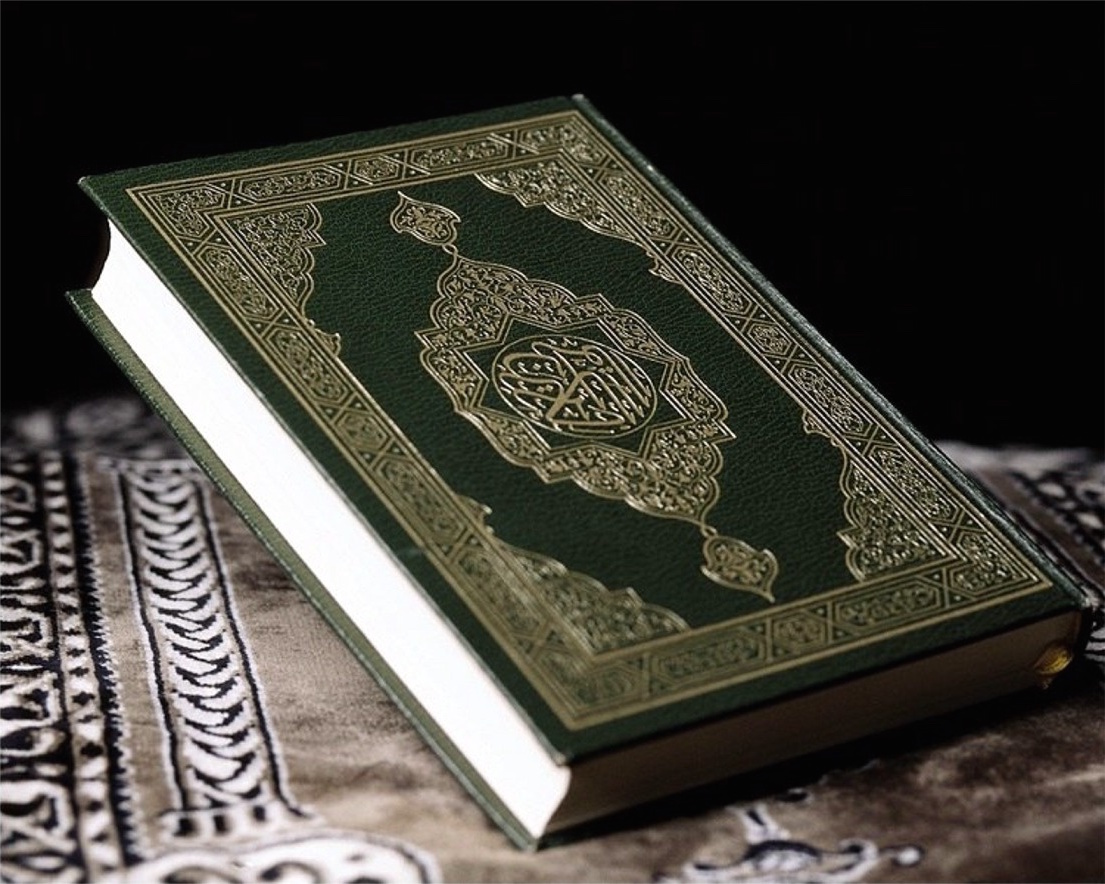
After taking a nice long break from speed running the Quran, we’re back to finish Surah 2 and move on with our lives. At this point, it’s occurred to me that looking at these surahs verse by verse may have been a bad idea. It might have been more efficient to pull out the highlight reel of Surah 2. But it’s too late now. Let’s just finish it.
Picking up where we left off at verses 238 and 239, we get some commands to remember to pray, even if you’re being chased by enemies. Then, for 240-242, we randomly jump back to talking about what to do with widows and divorced women, and what provisions should be made for them. Why? Because the Quran was recited by a schizophrenic weirdo who couldn’t keep a coherent stream of thought for longer than five seconds.
After that, in verses 243-245, we get a random story that doesn’t make much sense, a command to fight in the cause of Allah (jihad), and something about loaning money to Allah. Then we jump to a summarized version of the reign of Saul (Talut) and the David vs. Goliath story in verses 246-252.
But now, we arrive at verse 253, which I would like to do a whole post on. This verse says:
Those messengers We endowed with gifts, some above others: To one of them Allah spoke; others He raised to degrees (of honour); to Jesus the son of Mary We gave clear (Signs), and strengthened him with the holy spirit. If Allah had so willed, succeeding generations would not have fought among each other, after clear (Signs) had come to them, but they (chose) to wrangle, some believing and others rejecting. If Allah had so willed, they would not have fought each other; but Allah Fulfilleth His plan.
Notice the reference to the Holy Spirit here. According to Islamic scholars, the Holy Spirit referred to in this verse is the angel Gabriel (Ruh al-Qudus). However, the issue with this is that this spirit is also referred to numerous times as being Allah’s Spirit and appears to be consistently seen as divine, having creative power. So, who and what exactly is the Holy Spirit according to this verse? Muslims don’t have a good answer.
Moving on to verses 254-257, Allah claims a bunch of stuff about himself and warns people that if they don’t believe, they’re going to Hell. 258-262 is about how Allah provides and gives both life and death. 263-274 is about giving to charity and weirdly, some verses sound very prosperity-gospel-esque, with verse 268 saying that “The Evil one threatens you with poverty and bids you to conduct unseemly.” Why am I reading that in Kenneth Copeland’s voice?
Then we got verse 275-284, which bans usury, or unreasonably high interest. While this might sound good at first, the question must be asked: what constitutes unreasonably high interest, especially in a modern economy? Interest will fluctuate with the economy, sometimes being higher, sometimes being lower. It might make sense for the time period the Quran was written in, but if applied today, then you run into many practical problems.
Another issue with this passage is verse 282, which says that legally, a woman’s standing is half that of a man’s, requiring a man and two women to witness a contract if another man is not available.
Finally, the surah ends with verse 285-286, which affirms Muhammad as a prophet and tells people that Allah won’t place too heavy a burden on their shoulders, which is hilarious given that Islam is a works-based religion where you have no guarantee of heaven.
Welp, we’ve finally finished Surah 2. It only took a year and a half, too. I gotta figure out a better way of doing this in the future.
Until next time,
M.J.
Discover more from The Tanuki Corner
Subscribe to get the latest posts sent to your email.


Have something to say? Leave a comment! (Verbal abuse and ad hominem will not be tolerated.)