In the play Pygmalion, the linguist Henry Higgins picks up Eliza Doolittle, a young woman from a poor family who speaks in very crude dialect of English. Believing he can change her manner of speaking, he makes a bet with his colleague that, given enough time and lessons, he will be able to pass her off as being part of the upper class. Thus, he takes Eliza under his wing, makes her look the part, and gradually replaces her usual accent and dialect with one that’s more sophisticated and graceful until she is hardly recognizable. Though Pygmalion is a thoroughly humorous story, its plot raises an excellent question of whether someone can really be pigeonholed into certain cliques or parts of society through a simple change in their dialect and speaking patterns. It’s a question that seems complex at first, but a quick look at society today and how we interact with others says otherwise. It is possible that with a change in language, you may have a greater ability to fit in with groups of people that otherwise, you likely would be outsiders with.
We see this type of thing play out at a young age in children, especially in adolescents. Kids have a natural desire to play and fit in with their peers, which means that they’ll often adopt language that their peers are using. At first, their use of certain language and slang terms may seem awkward at first. It’s not the usual way that they’re used to speaking. However, as time goes on, it becomes more natural to them until it falls into their common vocabulary. Just think about when the terms “yeet” or “rizz” started becoming popular. At first, whenever people used it, it sounded odd, but soon it became mainstream. In a matter of just a few years, “yeet” was even added to Merriam-Webster Dictionary.
Furthermore, we see this when we interact between friend groups. When we’re with different sets of people, we’ll be inclined to use certain language that fits with who we’re with. For example, if we’re in a business meeting, we’ll be more inclined to use language that sounds formal. The use of slang is minimal. If we’re with our parents or friends, however, our language may become more colloquial.
Another way we see how language can change how people think and behave is by taking a quick look at the political sphere’s influence on society, particularly on the Left. Over the past several decades or so, the Left has done a wonderful job of redefining things that used to have solid definitions. Words such as “sex,” “gender,” “woman,” “man,” etc. have all been given new or more fluid definitions. New words (mostly in reference to pronouns) have been introduced into our vocabularies and those on the Left feel compelled to use them in fear of being called other words ending in “-ist” or “-phobe.” Thus, because of this change in how words are used, people’s thinking has been changed. They have become more malleable, even if they don’t completely lose their personalities.
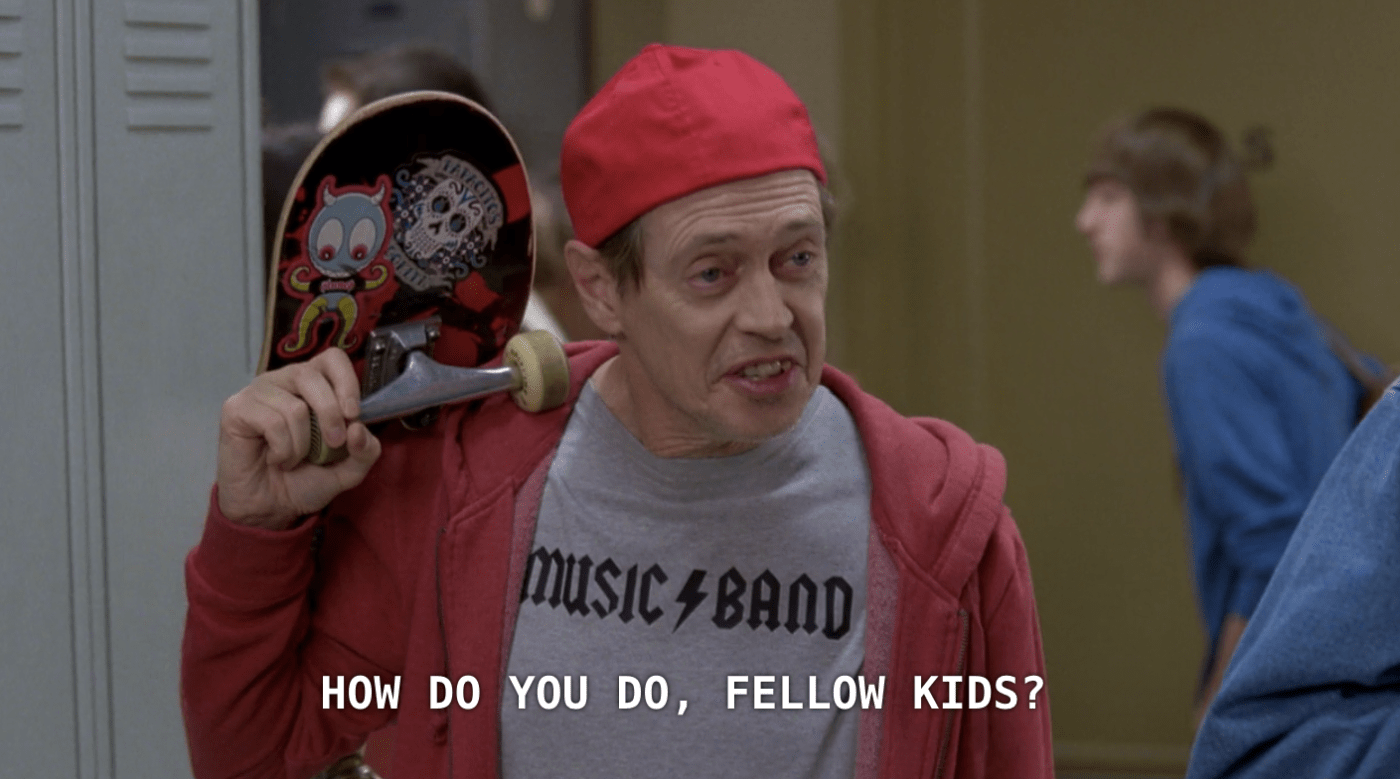
However, there are some instances where a change in language does not mean that you will automatically be accepted into a group. An example of this is when a teacher or parent tries to use the slang the youth are using. When this happens, instead of being accepted, they’re looked as being “cringe” or “try-hard” and are not accepted into the group. Another example is when you try to speak a certain way to fit in, but your personality has not left. If your personality and interests do not align with your new way of speaking, it can also keep you from being fully integrated into the clique. In fact, we see this in Pygmalion during Eliza’s first introduction to genteel society when she starts talking about things that usually wouldn’t be talked about in polite company, but she does so in a more sophisticated manner. She might be able to use proper grammar in this scene, but that doesn’t mean she has lost her interest in subject matter that was more suited for the streets.
In conclusion, language is a powerful tool that, when used in a certain way or changed, can lead to changes in thought and behavior. Depending on what type of language you use, you can pigeonhole yourself into different cliques with varying degrees of success. However, if you have obvious differences in personality, interest, age, or other factors, a change in language loses its power.
Until next time,
M.J.
Discover more from The Tanuki Corner
Subscribe to get the latest posts sent to your email.
 The Tanuki Corner
This post made me seriously think about how many times I’ve said “yeet” this week.
LikeLiked by 1 person