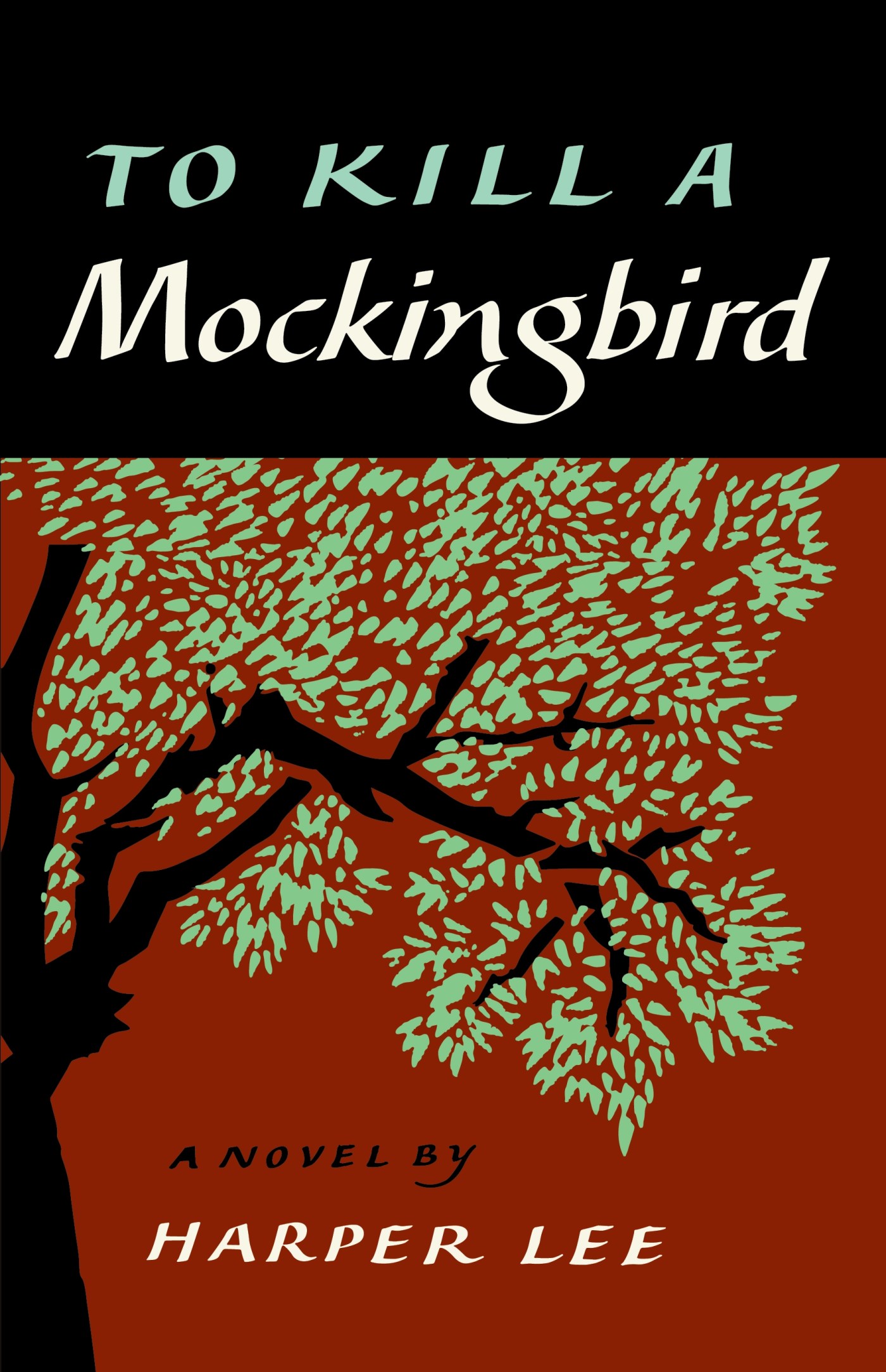
It’s the last week of Black History Month before we transition into Women’s History Month, so it’s time to talk about a book that combines those two factors: supposed racism and a good female protagonist (as well as being written by a woman). If you’re tired of hearing me talk about banned books, don’t worry. Next month’s reviews will be exploring Jane Austen, Mary Shelley, and the Brontë sister’s contributions to literature. If you like novels of the gothic, sentimental, horror, satire, romance, or the 120 possible combinations of those genres from the 1800s, you should be excited for next month’s reviews.
Anyways…what were we talking about again?
Oh, yeah. To Kill a Mockingbird.
#1: The Plot
To Kill a Mockingbird takes place over three years (1933-1935) in Maycomb, Alambama, where a black man named Tom Robinson has been accused of raping a young white woman. Defending Robinson is Atticus Finch, a middle-aged lawyer, who’s the father of the narrator, Jean Louis Finch (a.k.a Scout). Because of this, Finch is ridiculed by the people in the community and the other children bully Scout and her brother, Jem, calling their father a “n*****-lover.” Later in the novel, a mob comes to the Finch house wanting to lynch Robinson, but Scout recognizes one of her classmate’s parents and breaks the mob mentality by talking to him and the mob disburses.
Finally, the trial commences, and Atticus Finch shows Robinson to be innocent, showing how the alleged victim, Mayella Ewell, had been making advances on Robinson, resulting in her being beaten by her father, a bit of evidence that had been used to try to frame Robinson. However, the court still convicts him and before Finch can overturn the verdict, Robinson is shot and killed after trying to escape from prison. The book ends with Bob Ewell (Mayella’s father) being killed by the Finches’ neighbor after assaulting Scout and Jem in return for Atticus destroying his credibility.
#2: Why it’s Been Banned
Despite To Kill a Mockingbird being voted by British librarians as being a book that everyone needs to read before they die even ahead of the Bible and historian Joseph Crespino describing Atticus Finch as “the most enduring fictional image of racial heroism,” it has still been banned from classrooms because of (surprise, surprise) racism, strong language (mostly in reference to the N-word), and the discussion of rape and sexuality. A writer named Kristian Wilson, while not agreeing with it being banned from classrooms, added another element to why it shouldn’t be used to teach kids (primarily white kids) about racism “because it grounds its narrative in the experiences of a white narrator and presents her father as the white savior.”
Give.
Me.
A.
Break.
While Atticus is not a perfect person or totally anti-racist, the story shows what real racism looks like. Atticus Finch was fighting against all odds to prevent Tom Robinson from being thrown in jail for the rest of his life despite the massive blowback he was getting that endangered both him and his children. It shows how racist the South was in the 30s and shows that racism as a terrible thing. The idea that it shouldn’t be taught to white kids because it shows Atticus Finch as a white savior is also totally ridiculous because it shouldn’t matter what the skin color of the protagonist is when teaching a book to kids.
As I mentioned before, the book has also been challenged and banned because of its discussion of sexuality and rape. While I can agree that teaching young kids about sexuality and rape is tricky and, in many cases, shouldn’t be talked about at all, To Kill a Mockingbird is not inherently sexual in its content or themes (unlike many of the books that schools have kept in their libraries…like Gender Queer). The only things that are sexual in this book are the allegations against Tom Robinson.
#3: Scout
As I mentioned in the beginning of this post, this book has a good, strong female protagonist, and she is the narrator of this book.
Aside from To Kill a Mockingbird being a story about racial inequality, it’s also a story about a young woman maturing. At the beginning of the book, Scout is very much a tomboy, totally rejecting all female stereotypes. Part of this is because she doesn’t have a mother and so looks up to her father and brother for how she should act. Because of this, she’s often ridiculed by the other women in town, with Mrs. Dubose even suggesting that she’s ruining her family’s name because she won’t wear a dress and camisole.
Another factor that leads Scout to reject femininity is from hearing about Mayella’s allegations against Tom Robinson. Mayella is feminine in the sense that she wears dresses and acts like the other women in the town, but she uses her femininity to ruin a man’s life. This example of toxic femininity reinforces Scout’s negative view of what being a woman means.
However, as the book progresses, Scout learns how to balance the masculine influences of her father and brother and the feminine influences of Calpurnia – her family’s maid – and Miss Maudie – her neighbor – both of whom are very strong-willed and protective of her. While she never entirely loses her tomboyish personality, she does learn how to lean more into her femininity, which is something that a lot more books should promote.
Until next time,
M.J.
Discover more from The Tanuki Corner
Subscribe to get the latest posts sent to your email.
 The Tanuki Corner
Have something to say? Leave a comment! (Verbal abuse and ad hominem will not be tolerated.)